
Co-founder · EV Charge Cables
Gavin Rogers
Runs a BMW iX2 and tests the home-charging reality.
- Drives
- BMW iX2
- Guides written
- 159

About Gavin
Advice from
the driveway.
Gavin runs a BMW iX2 and spends a lot of his time on the gap between a car's headline charging figure and what you actually get at home. A car quoting 11kW three-phase still charges at 7.4kW on a normal single-phase UK house, and that is exactly the kind of thing the site exists to make clear.
He helps keep the compatibility advice straight: what connector your car uses, what it can really pull on AC, and when a 22kW cable is worth it versus when it is just extra weight and cost.
Written by Gavin
Guides by
Gavin Rogers.
Everything Gavin has written for the site, newest first.
All guides
Buying Guides
Best Roof Boxes for Electric Cars: How Much Range Do You Lose?
A roof box adds aerodynamic drag that costs range on an EV more than on a petrol car. A 500L box at 70mph typically reduces range by 15–25%. The key is choosing a box with a low drag coefficient and keeping motorway speed down. For shorter runs, the range penalty is manageable. Hard shell boxes have lower drag than soft bags — choose hard shell for motorway trips Speed matters more than the box: at 60mph the penalty is roughly half what it is at 70mph Soft bags (no roof rack needed) are fine for city/slow roads where drag is minimal

Compatibility
Which Electric Cars Support V2L (Vehicle-to-Load)?
V2L (vehicle-to-load) is available on a growing number of EVs in the UK, most commonly Hyundai, Kia, and BYD models. It lets you plug in tools, appliances and devices through the car's Type 2 inlet, drawing up to 3.6kW. You need a specific discharge cable — not a standard charging cable. Not every EV with a Type 2 inlet supports V2L: the car needs dedicated discharge hardware Most V2L cars deliver 3.6kW (16A), enough for a kettle, power tool, or portable heater You need a V2L discharge cable matched to your car's output socket type

How-to
Can I Use an Extension Lead to Charge My EV?
Do not use a domestic extension lead to charge an EV. The sustained current draw of EV charging pushes a standard extension lead beyond its safe operating limit, causing the lead and plug to overheat. Use a purpose-made EV charging cable from a dedicated outdoor socket or wallbox instead. EV charging draws 8–32A continuously for hours, far beyond what most extension leads tolerate safely Overheating causes fires at the plug, the lead, or both — even on reels that appear to handle the current The correct solution is a longer EV charging cable, not a longer extension lead

How-to
Tethered vs Untethered EV Charging: Do You Need a Separate Cable?
If your wallbox is untethered (socketed), you need a separate Type 2 to Type 2 cable to charge your car at home. Most modern smart wallboxes sold in the UK are untethered, including the Zappi, Ohme, Easee, Hypervolt, Andersen, and Pod Point. A tethered charger has the cable built in, so no separate cable is needed, but you are locked into one cable length and connector type forever. Untethered wallboxes are the more common choice in new UK home installations If you are not sure which type you have, look at the front of the unit: an untethered box has a socket, a tethered box has a cable hanging from it Most modern EVs and PHEVs use a Type 2 inlet, so a standard Type 2 to Type 2 cable covers the majority of setups Older EVs with a Type 1 inlet need a Type 2 to Type 1 cable instead

Buying Guides
Best Electric Cars for Motorway Drivers
Motorway EV driving demands a large usable battery, high DC rapid-charging rate, and good real-world motorway range, which is always lower than the WLTP figure at sustained high speeds. WLTP range is not motorway range: use Autocar or What Car? real-world tests Charging curves matter more than peak charge rate for stop duration 800V architecture cars tend to charge faster at compatible rapid chargers

How-to
How Long Do Electric Car Batteries Last?
Electric car batteries are designed to last many years, with most manufacturers offering an eight-year warranty and real-world data showing packs holding up well beyond that under typical private use. Battery life depends heavily on charging habits, annual mileage, and climate AC home charging is gentler on cells than daily DC rapid charging Most private owners will not need to replace their battery within ten years of ownership

Buying Guides
Best Electric Cars for Long Commutes
For long commutes, prioritise real-world range at motorway speeds, overnight home charging on an off-peak tariff, and a car with strong rapid charging capability for occasional en-route top-ups. Real-world range matters more than the WLTP figure, especially in winter and at motorway speeds Overnight home charging on an off-peak tariff is the most cost-effective routine for daily commuters A wallbox and a quality Type 2 cable are the two essential pieces of kit before you start

Comparisons
Rapid vs Fast vs Slow EV Charging Explained
Slow, fast, and rapid charging differ in power level, connector type, and where you would typically use them. Slow (up to 3 kW): three-pin at home, useful overnight or as a backup Fast (7-22 kW): wallbox or workplace charger, the everyday default for most drivers Rapid (50 kW+): motorway and retail hubs for topping up on longer journeys

How-to
What Is a Solar Diverter for EV Charging?
A solar diverter redirects surplus electricity from your panels into your EV's battery rather than exporting it to the grid, letting you charge your car from energy you would otherwise barely benefit from. The Zappi charger by myenergi is the most popular UK home charger with solar diversion built in as a core feature Three modes let you charge from solar only, blend solar with grid, or use the grid at full speed depending on conditions Solar diversion and overnight off-peak tariff charging complement each other well and can be used together

Comparisons
Ohme vs Zappi vs Easee: Home Chargers Compared
Ohme, Zappi, and Easee each take a different approach to home EV charging, so the right choice depends on whether you want smart tariff integration, solar diversion, or a scalable multi-point ecosystem. Ohme excels at integrating with intelligent energy tariffs like Octopus Intelligent to automate cheap overnight charging Zappi's built-in solar diverter makes it the standout choice for homes with solar panels Easee's load-balancing design suits flats and multi-charger installs, but it is untethered-only so a cable is always required

How-to
The EV Chargepoint Grant for Renters and Flat Owners
Renters and flat owners can apply for a government EV Chargepoint Grant to help fund a home wallbox, provided they own or have ordered a qualifying electric or plug-in hybrid vehicle and use an OZEV-approved installer. The grant is claimed through your installer, who deducts it from your invoice rather than you applying directly Tenants need their landlord's consent before installation, and shared-parking situations need management company approval too Check gov.uk for current amounts and eligibility, as grant conditions are updated periodically

Buying Guides
Are Cheap EV Charging Cables Safe?
Cheap EV charging cables from unknown brands can be genuinely unsafe, as they carry sustained high currents and must meet BS EN 62196 to do so reliably. Look for BS EN 62196 compliance, genuine CE or UKCA marking, and a current rating that matches your charger. Signs of a substandard cable include no standards references, absent documentation, and suspiciously low prices for high-amperage cables. If a connector runs warm or shows discolouration after charging, retire the cable immediately.

How-to
How Heat Affects Your EV Battery and Charging
High temperatures cause your EV's BMS to limit charge speed and can accelerate long-term capacity loss if the battery is regularly exposed to heat without adequate thermal management. The BMS reduces charge rate when the battery is too hot, especially after rapid charging Parking in shade and using pre-conditioning before rapid-charge stops helps Routine home AC charging is gentler on the battery than daily rapid DC charging

How-to
How to Future-Proof Your Home EV Charging Setup
Choosing an OCPP-compatible wallbox, sizing the supply cable generously, and planning for load management now means you can add solar, a second car, or V2G later without starting from scratch. An open-protocol (OCPP) wallbox integrates with solar inverters and future energy management systems. Dynamic load management lets you add a second EV charger without upgrading your incoming supply. A 10mm2 supply cable from the outset avoids costly rewiring if you upgrade to a higher-rated unit later.

Charging Guides
How to Read Your EV Charging Session Data
Your EV charging session data shows energy added in kWh, charge rate in kW, session duration, start and end state of charge, and cost, giving you a clear picture of every charge. kWh added is your key energy figure; charge rate shows how fast it arrived State of charge at start and end tells you how much of the battery you used Download session history from your car's app or the network portal for expense records

Comparisons
Is a 3kW or 7kW Home Charger Enough for You?
A 7 kW wallbox suits most full BEV owners by roughly doubling overnight charge speed, but a 3 kW charger is adequate for low-mileage drivers and PHEVs. 7 kW adds around twice the range per hour compared with 3 kW Both can use off-peak tariff scheduling; 7 kW fits a shorter overnight window Your cable must be rated to match the wallbox output to get full speed

Comparisons
Should You Buy or Lease an EV Charging Setup?
Buying a home wallbox outright costs more upfront but saves money over the long term; leasing suits renters and those wanting lower initial outlay. Buying gives you ownership, flexibility, and no ongoing fee beyond electricity Leasing reduces upfront cost and usually includes maintenance, but you pay indefinitely Check gov.uk for current grant schemes before committing to either route

Charging Guides
Why Does My Granny Charger Charge So Slowly?
A granny charger is slow by design because a standard UK three-pin socket limits the power it can draw, adding only around 8 to 10 miles of range per hour compared with much faster wallbox or public charging options. Old sockets, long extension leads, and cold weather can slow it further beyond the inherent socket limit A dedicated 7 kW home wallbox charges roughly three times faster and is the standard upgrade for daily use A granny charger still earns its place for overnight top-ups when staying with friends or in genuine emergencies

How-to
Why Does My EV Only Charge to a Certain Percentage?
Your EV stopping short of 100 per cent is almost always a deliberate charge limit set to protect long-term battery health. Check the charge limit in your car's menu or companion app and raise it for long trips Scheduled charging or a battery management system pause can also cause early stops Genuine capacity loss over time is normal but should be checked against the manufacturer's warranty

Charging Guides
My EV Stopped Charging Halfway: What to Do
An EV stopping mid-charge is usually caused by a communication glitch, loose cable, payment timeout, or charge limit setting, and most cases can be fixed on the spot in minutes. Unplug and reseat the cable at both ends, then wait for the handshake before checking again Re-authenticate with the charger using your card or app to restart the session If the problem follows you to other chargers, inspect the cable for damage or check the car for a fault code

How-to
What Is Autocharge at Public Chargers?
Autocharge lets your EV start a public charging session automatically when you plug in, by recognising your car's MAC address, with no app or card needed at the charger. Register your car with supported networks once via their app Not every network or charger supports it; carry a backup payment method Plug and Charge (ISO 15118) is a more secure evolution of the same idea

Comparisons
How Do Public EV Charging Networks Differ in the UK?
UK public charging networks vary in location, speed, connector types, and payment methods, so knowing the differences helps you plan journeys and avoid getting caught out. Rapid and ultra-rapid DC chargers are tethered; AC chargers usually require you to bring your own Type 2 cable. Contactless payment is now required on newer rapid chargers, but apps and roaming RFID cards simplify multi-network use. Zapmap is the best tool for finding live charger status across all UK networks in one place.

How-to
How to Power a Caravan or Campervan From Your EV
Use a CEE 16A V2L cable to connect your EV's Vehicle-to-Load output to your caravan's hookup lead. The car parks up, activates V2L mode, and supplies mains-style power through the blue commando socket. Your existing caravan hookup lead plugs straight into the CEE 16A socket on the V2L cable Most V2L cars output roughly 3.6kW, enough for typical touring caravan loads Monitor the car's state of charge and keep enough in reserve to drive on

Comparisons
CEE 16A vs 3-Pin V2L: Which Adapter Do You Need?
Choose a CEE 16A V2L cable for caravans and campsite hookups; choose a 3-pin V2L cable for standard household appliances. The power output is the same either way, set by the car's inverter. CEE 16A connects directly to caravan hookup leads and campsite pedestals 3-pin suits home appliances and standard-plug tools Neither cable changes the available power, which is fixed by the car

How-to
Does V2G Wear Out Your EV Battery?
V2G does add charge cycles to your EV battery, but well-managed systems are designed to limit depth of discharge and keep additional wear within acceptable bounds. Additional cycling from V2G contributes gradually to battery degradation, but the rate depends on how the system is managed Check your manufacturer's current warranty position before enrolling in any V2G scheme Home V2G at low power rates is typically gentler than rapid DC public charging

How-to
What Do You Need to Set Up V2H at Home?
V2H (vehicle-to-home) lets your EV power your house, but it needs a compatible car, a bidirectional V2H charger, electrical work including a transfer switch, and a qualified installer. A standard home wallbox cannot do V2H; you need a specialist bidirectional unit from a supplier such as Indra A transfer switch is required to safely isolate your home from the grid when the car supplies power Check your car manufacturer confirms V2H compatibility for your specific model and year before planning installation

Compatibility
Do You Need a Special Cable for V2L Charging?
Yes, V2L (vehicle-to-load) requires a specific discharge cable that is different from a standard EV charging cable, as power flows in the opposite direction. V2L discharge cables connect your EV's port to a standard socket so the battery can power devices They are not interchangeable with ordinary charging cables and must match your car's connector type Your car must also have V2L hardware and software support; not all EVs have this feature

How-to
What Is Vehicle-to-Vehicle (V2V) Charging?
V2V charging lets one EV transfer power to another without any external charging infrastructure, using the donor car's V2L capability and a portable charger. Most practical V2V uses a V2L adaptor plus a portable granny charger connected to the recipient car's Type 2 inlet It is slow and best treated as an emergency fallback, not a routine charging method Compatible cars include Kia EV6, Hyundai Ioniq 5 and 6, and various MG and VW ID. models, with more being added

Buying Guides
Which EVs Support V2G and V2H in the UK?
Only a small but growing number of EVs support V2G or V2H in the UK, and you also need a compatible bidirectional home charger and a supporting energy tariff. CHAdeMO cars (notably the Nissan Leaf) have the longest V2G track record in UK trials Several Hyundai, Kia and VW Group models now offer bidirectional DC, but UK availability varies by year and trim A specialist home charger and a V2G energy tariff are both required alongside a compatible car

Buying Guides
Is an EV Good for Motorway Commuters?
An EV can suit a motorway commute well, but motorway speeds reduce range more than city driving: check real-world motorway range for your specific model before buying. WLTP range is a mixed-cycle figure: motorway-only range is typically lower, especially in winter Home charging overnight means starting every commute at full charge, which is a genuine advantage For very long commutes where charging at the destination is uncertain, a PHEV may be more practical

Comparisons
Electric vs Hybrid vs Petrol: A Running-Cost Comparison
For most UK drivers who can charge at home, a full electric car has the lowest overall running costs, though hybrids and petrol remain competitive in some circumstances. Charging at home on an off-peak tariff is usually the cheapest way to run a car per mile Servicing costs are lowest for EVs, as there is no engine oil, timing belt, or exhaust to maintain Company car BIK tax strongly favours EVs; check current rates on gov.uk

How-to
Renting? How to Get an EV Charger Fitted
Renters in England have the right to request an EV charger installation and landlords cannot unreasonably refuse, though cost and end-of-tenancy terms need to be agreed upfront. Put your request in writing citing the relevant regulations and address common landlord concerns proactively Agree in writing who pays, who owns the charger, and what happens when you move out A portable granny charger is a viable alternative if installation is genuinely not possible

How-to
Do You Need a Smart Meter to Charge an EV?
No, you do not need a smart meter to charge an EV at home, but one is usually required to access the cheaper off-peak electricity tariffs designed for EV drivers. Basic home charging works on any standard supply without a smart meter Off-peak EV tariffs typically need a SMETS2 smart meter for half-hourly billing Smart meters are free to request from your energy supplier via gov.uk

How-to
Can You Charge an EV in a Multi-Storey Car Park?
Yes, charging in a multi-storey is common and safe, though availability, connector types and restrictions vary by site. Most UK multi-storeys with chargers use tethered Type 2 AC units at 7-22 kW Check real-time availability on Zap-Map or the network app before arriving Some older car parks restrict EV charging; check signage and operator policies

How-to
Can You Charge an EV From a Generator?
Yes, but only with an inverter generator, and it is best treated as an emergency measure rather than a regular charging solution. Standard non-inverter generators produce unstable power that can cause faults or refusal to charge Connect via a portable granny charger cable for slow trickle charging as an emergency top-up Always run generators outdoors: carbon monoxide is a serious risk in any enclosed space

Buying Guides
New vs Used EV: Which Makes More Sense?
Whether to buy new or used depends on your budget, battery health expectations, and how you plan to charge. New: full warranty, latest charging speeds, total peace of mind Used: lower entry cost, but check State of Health and connector type carefully Both can make sense; the right choice depends on your situation

Buying Guides
What Paperwork Should Come With a Used EV?
A used EV should come with the V5C logbook, a valid MOT certificate, service history, proof of battery warranty, and all charging cables. Always request a battery state of health report before committing to buy Carry out an HPI check to confirm no outstanding finance or write-off history Check battery warranty transferability directly with the manufacturer

How-to
What Is Battery Preconditioning and When to Use It
Battery preconditioning warms or cools your EV's battery to an ideal temperature before charging or driving, improving speed and range. It makes the biggest difference before DC rapid charging in cold weather, where it can cut session time noticeably. Preconditioning while still plugged into a home charger uses grid energy, not your battery's range. Most EVs trigger it automatically when you navigate to a rapid charger, or you can set it manually.

How-to
What Is an 80% Charge Limit and Should You Use It?
An 80% charge limit tells your EV to stop charging automatically at 80%, helping to preserve battery health for the long term. Most manufacturers recommend 80% for daily home charging to reduce cell stress Override to 100% only when you need maximum range for a long trip LFP battery cars may have different guidance, so check your handbook

How-to
What Is the Best Charge Level for Daily Driving?
For daily driving, most EV manufacturers recommend keeping your battery between roughly 20% and 80% state of charge to reduce long-term cell stress. Charging to 100% occasionally for long trips is fine; making it a nightly habit adds gradual strain Letting the battery drop below 10% regularly is harder on the cells than mid-range cycling Most EVs let you set a charge limit in the app or on the screen to automate the habit

Charging Guides
Does Battery Percentage Affect Charging Speed?
Yes: EV charging speed is fastest in the middle of the battery and slows as it fills, controlled by the battery management system to protect the cells. Charging is typically quickest between around 20% and 80% state of charge Rapid chargers taper sharply near full charge; stopping at 80% on a journey saves time Preconditioning warms the battery before a rapid charge stop for better performance

Charging Guides
What Affects EV Charging Speed?
Charging speed is set by whichever is lower: the car's maximum acceptance rate or the charger's output, with battery temperature and state of charge playing a big role. A cold battery or a charge level above 80% will slow things down significantly Your cable's current rating can throttle speed if it is lower than the charger and car's capability Preconditioning the battery before a rapid charge session is the most effective way to improve speed

Charging Guides
Why Does My EV Charge Slow Down After 80%?
Your EV's battery management system deliberately tapers the charge rate above around 80% to protect the lithium-ion cells from heat and voltage stress. The taper is most dramatic on DC rapid chargers, where peak speeds are highest Charging between roughly 20% and 80% keeps you in the fastest part of the charging curve Planning rapid stops to end at 80% is the quickest strategy on long journeys

Buying Guides
Is Now a Good Time to Buy an Electric Car?
For most drivers with home charging and a reasonable annual mileage, now is a solid time to buy: prices have fallen, choice is wider than ever, and the charging network keeps improving. New and used EV prices have broadly fallen as competition increases Company car drivers benefit from significantly lower Benefit-in-Kind rates Home charging access is the single biggest factor in making EV ownership practical

Buying Guides
EV Charging Subscriptions: Are They Worth It?
Charging subscriptions save money for frequent public charger users, but most home-primary drivers will not recoup the monthly fee. Break-even depends on how often you charge publicly, not just which network you prefer Drivers without home charging benefit most; low-mileage or home-primary drivers rarely do Check network coverage, contract length, and which charge speed tiers the discount applies to before signing up

How-to
What Is Plug and Charge?
Plug and Charge is an ISO 15118 standard that lets your EV and a compatible charger authenticate automatically the moment you plug in, with no app or card required. Authentication is handled by an encrypted digital certificate stored in the vehicle, billed to your linked account Supported on many newer EVs and an increasing number of UK rapid chargers, though coverage is still rolling out Always carry a contactless card or RFID backup, as not every charger on every network is enrolled yet

How-to
What Is C-Rate in EV Charging?
C-rate measures how fast a battery charges or discharges relative to its total capacity: 1C fills or empties the pack in one hour. Higher C-rates stress the battery more, so home wallbox charging at 7kW is gentler than rapid charging The car's battery management system always controls the real charge rate, not the charger's headline power The 80% slowdown on rapid chargers exists because the BMS deliberately reduces C-rate to protect cells as they fill up

How-to
How Winter Tyres Help an Electric Car
Winter tyres improve grip, braking, and handling for electric cars in cold conditions, with benefits that are amplified by EVs' extra battery weight and instant torque delivery. The softer winter compound stays pliable below roughly 7°C, where summer tyres harden and lose traction EVs' extra weight makes grip more critical; winter tyres also reduce the risk of rear wheel slip under regenerative braking Winter tyres have slightly higher rolling resistance than LRR tyres, but cold battery chemistry is a bigger range factor than the tyre change

How-to
Are Electric Cars Cleaner Over Their Lifetime?
Yes. Life-cycle assessments consistently show EVs produce substantially lower greenhouse gas emissions than petrol cars over their full life, even accounting for battery manufacturing. Higher upfront manufacturing emissions are repaid within a few years of driving The advantage grows as the UK grid becomes greener over time Honest accounting includes battery mining and tyre particulates, but the net result still favours EVs

Comparisons
How Public Charging Prices Compare Across Networks
UK public charging prices vary by network, charger speed, and payment method, so understanding the structure matters more than chasing current figures. Per kWh pricing is more transparent than per minute, especially for slower charge sessions Subscription plans suit frequent public charger users; pay-as-you-go suits occasional ones Zap-Map and network apps are the most reliable sources for current rates

Buying Guides
Best Fast-Charging Electric Cars
Fast-charging performance depends on your car's peak DC rate, the shape of its charging curve, and whether it has 800V architecture, not the headline spec figure alone. Charging curves matter more than peak rate: look for real-world 10-to-80% times 800V architecture cars generally charge faster at compatible high-power chargers Battery pre-conditioning unlocks faster charging on arrival at a rapid charger

Buying Guides
Best Electric Cars for Dog Owners
The best EVs for dogs prioritise flat boot floors, wide loading apertures, easy-clean interiors, and parked cabin conditioning rather than headline range figures. Large SUVs and estate-style crossovers offer the most practical boot space and loading height for dogs EVs with dog mode or climate-hold features keep the cabin safe while parked Always verify current boot dimensions on the manufacturer site or a comparison tool before buying

Comparisons
Electric Car Ownership in a City vs the Countryside
Neither city nor countryside is universally better for EV ownership: the deciding factors are whether you have a driveway and how far you regularly travel. City drivers benefit from ULEZ/CAZ exemptions and short trips that suit EV range, but on-street charging can be a real hurdle Rural drivers with a driveway enjoy easy home charging, but longer journeys need more planning around charger gaps The right preparation makes EV ownership work in both settings

How-to
How to Plan an EV Holiday in Scotland
Scotland is a rewarding EV destination when you plan your charging stops in advance, understand the rural gaps in the Highlands, and prepare for cold-weather range reduction. Use ChargePlace Scotland, Osprey, BP Pulse, and Tesla Supercharger networks alongside Zap-Map to verify live charger status ABRP accounts for elevation and temperature on hilly Highland routes where range can be noticeably lower Carry a portable charger as a backup and book accommodation with EV charging for island or remote destinations

How-to
Why Your EV Won't Always Hit Its Rapid-Charge Peak
Rapid chargers rarely deliver their advertised peak speed for a full session because of how batteries behave as they fill, how temperature affects cell performance, and how chargers share power between bays. Charging slows significantly above around 80% state of charge due to the battery management system protecting cell health Cold or very hot batteries trigger protective limits that reduce the rate, making pre-conditioning important in winter Busy charger stations split available power between bays, so the car next to you can directly affect your speed

How-to
How to Read a Public Charger's Power Rating
A charger's kW rating shows how fast it can deliver power, but your car's own charge rate limits what you actually get. AC chargers (7 kW to 22 kW) suit car parks and supermarkets; DC rapid chargers (50 kW+) suit motorway stops The charger and car always negotiate to the lower of the two rates, so a higher-rated charger never damages your battery Check your car's maximum AC and DC charge rates before planning a journey

How-to
The Best Time of Day to Charge Your EV
Overnight, during your tariff's off-peak window, is typically the cheapest and most efficient time to charge your EV at home. Smart tariffs (Octopus Go, Economy 7) offer lower overnight rates: check your supplier for exact hours Set a charge schedule on your wallbox or in-car timer so charging starts automatically at the off-peak window Keep daily charge limit at around 80% for battery longevity, reserving 100% for long trips

How-to
Electric Cars and Caravans: Weight and Range Explained
Electric cars can tow caravans, but towing significantly reduces range and requires careful planning around charging stops and weight ratios. Towing typically cuts real-world range noticeably, often by a third or more on motorways Your caravan's laden weight should be no more than 85% of your car's kerbweight for safe handling Most rapid charger bays cannot accommodate a car with a caravan attached, so plan detached charging stops

How-to
Can You Wade an Electric Car Through Water?
Yes, EVs can wade through shallow water up to their manufacturer-rated depth, and charging in the rain is perfectly safe, but flood water is a hard stop for any car regardless of drivetrain. Battery packs are sealed with IP ratings but wading limits vary by model: check your handbook Charging cables and wallboxes are rated for outdoor wet-weather use Never enter flood water you cannot see the bottom of, and have any submerged EV inspected before driving again

How-to
Electric Car Recalls: How to Check Yours
Checking whether your electric car has an outstanding recall takes only a few minutes using the DVSA's free online tool at gov.uk/check-vehicle-recalls. Use the DVSA checker with your registration plate for an instant result Manufacturer owner portals and your VIN give deeper recall history detail All recall repairs are carried out free of charge by an authorised dealer

How-to
What to Do in an EV Breakdown
In an EV breakdown, get to safety first, switch hazards on, and call a recovery provider that explicitly handles EVs and offers flatbed recovery. Most EVs cannot be flat-towed: flatbed recovery is usually required A flat 12V auxiliary battery can make the car appear completely dead Check your breakdown policy covers EVs and flatbed recovery before you need it

How-to
How Much Can You Save Charging at Off-Peak Rates?
Charging your EV at home during off-peak hours costs less because electricity unit rates are lower overnight, and shifting most of your charging to that window can reduce your running costs meaningfully over time. Off-peak tariffs offer lower unit rates during overnight windows, usually around 11 pm to 6 am Your actual saving depends on your car's battery size, weekly mileage, and your supplier's specific rates A smart meter and a wallbox or portable charger with scheduling make targeting off-peak hours easy

Buying Guides
Will Electric Cars Get Cheaper?
Yes, electric cars are getting cheaper as battery technology matures and more manufacturers enter the market. Battery costs have fallen steadily and are expected to continue falling The used EV market now offers significantly lower prices than new Total running costs, including fuel and servicing, are generally lower than petrol

How-to
What Is a Battery Preconditioning Button?
Battery preconditioning warms or cools your EV's battery to its ideal temperature before driving or charging, so you get full range and faster charge speeds. Always precondition while plugged in to save your driving range A warm battery accepts rapid charging at full speed from the moment you arrive Many EVs do it automatically when you navigate to a charger

Buying Guides
Part-Exchanging Your Petrol Car for an EV
Part-exchanging your petrol, diesel, or hybrid car is one of the simplest ways to reduce the upfront cost of buying an EV, with the dealer deducting your car's agreed value from the purchase price. Dealers value your car on age, mileage, condition, and market demand, so preparation pays off Outstanding finance must be settled before any PX completes, so get a settlement figure first Private sale usually returns more money, but PX offers speed and convenience

How-to
How to Sell a Used Electric Car
To sell a used electric car well, get a battery health report, gather your paperwork, and choose the right selling route for your situation. Battery state of health is the biggest factor in price: get a report and share it upfront Include all original charging cables: missing cables reduce buyer confidence and invite lower offers Compare dealer part-exchange (fast, lower return) against online marketplaces and private sale (more effort, higher return)

Buying Guides
Electric Car Delivery: What to Check on Handover
A structured handover check when collecting your new or used electric car helps you spot faults, confirm charging equipment is present, and protect your consumer rights before driving away. Check battery state of health, especially on used EVs Confirm all charging cables and adapters are in the boot Test charging, inspect the port, and review warranty documents before signing

Buying Guides
Understanding EV Trim Levels and Options
EV trim levels often determine battery size, charging speed, and heat pump availability, so choosing the right grade is one of the most consequential decisions when buying an electric car. Battery pack size and WLTP range frequently vary between trims On-board AC charger speed and DC rapid charge rate can differ by grade Heat pump availability matters for winter range and is rarely retrofittable

Buying Guides
Best Electric Cars for Caravanning
Electric cars can tow a caravan, but range drops significantly while towing and many EVs carry no approved towing rating at all. Confirm manufacturer-approved towing capacity before buying Plan charging stops more frequently than on an unladen journey Caravan site hook-ups provide a slow overnight charge

Buying Guides
Best Electric Cars With the Longest Warranty
EV warranties have two parts that matter equally: the vehicle warranty and the separate battery warranty, which often includes a capacity guarantee protecting against faster-than-normal degradation. Battery and vehicle warranties are usually separate documents with different terms Look for a capacity guarantee: a minimum state of health the battery must retain Always verify current terms on the manufacturer website before buying

How-to
What Is the NACS (Tesla) Connector?
NACS (North American Charging Standard) is Tesla's original connector, now an SAE standard adopted by most US automakers, but CCS2 remains the UK and European standard for rapid charging. UK Tesla models use CCS2 rather than NACS, so they work on all UK public rapid chargers Adapters can bridge NACS and CCS but adapter compatibility should be verified before use There is no confirmed plan to introduce NACS as a replacement for CCS2 in the UK or EU

How-to
What Is a CCS Connector?
CCS (Combined Charging System) is the dominant rapid and ultra-rapid DC charging standard in the UK and Europe, combining a Type 2 AC inlet with two extra DC pins. CCS cables are tethered to the charger, so drivers do not need their own CCS cable Most new European EVs use CCS for rapid charging at public charge points A separate Type 2 cable is still needed for home and destination AC charging

How-to
Do EV Batteries Catch Fire? The Facts
EV battery fires do happen, but multiple studies and insurers have suggested they occur less frequently per vehicle than fires in petrol and diesel cars. How often do EV batteries actually catch fire? What is thermal runaway and why does it matter? What are the most common causes of EV battery fires?

Buying Guides
How Much Does It Cost to Replace an EV Battery?
Replacing an EV battery is one of the larger potential costs of electric car ownership, though the good news is that most owners will never face it during their time with the vehicle. When does a battery actually need replacing? Does the manufacturer warranty reduce the financial risk? Are there alternatives to a full battery replacement?

How-to
Will There Be Enough Public Chargers by 2030?
Motorways and main roads will likely be adequate by 2030, but on-street residential and rural charging remain the biggest gaps in the UK's public charging network. Rapid charger deployment on motorways has been fast; residential streets lag far behind New reliability rules require contactless payment and minimum uptime from public charger operators Home and workplace charging will remain essential for most EV drivers through 2030 and beyond

How-to
How Heavy Are Electric Cars, and Does It Matter?
EVs are heavier than petrol equivalents mainly because of the battery pack, but good engineering means most drivers notice little difference in daily use. Extra weight can increase tyre wear and lengthen stopping distances A low battery-floor centre of gravity improves stability and handling Check the manufacturer's tow rating and any car park weight limits before buying

How-to
Do Electric Cars Need Engine Oil?
Electric cars do not need engine oil because they have no internal combustion engine, making oil changes one of the maintenance costs you can eliminate entirely. No pistons, crankshafts, or valves to lubricate Coolant, brake fluid, and washer fluid still required Service intervals are generally longer than combustion cars

How-to
Electric Car Noise: What Is the AVAS Pedestrian Sound?
AVAS (Acoustic Vehicle Alerting System) is the artificial sound electric cars must generate at low speeds to warn pedestrians, mandatory on all new EVs sold in the UK from July 2021. Plays automatically when moving forward or reversing at low speed Sound must vary with speed and meet minimum volume requirements Cannot be disabled by the driver

How-to
What Is State of Charge (SoC)?
State of Charge (SoC) is the percentage of energy currently stored in your EV's battery, shown from 0% (empty) to 100% (full). Most manufacturers recommend keeping daily SoC between 20% and 80% to preserve battery life Charging speed slows above 80% as the battery management system protects the cells Cold weather and driving style affect the range your SoC translates to, not the SoC reading itself

How-to
How to Read an EV's Efficiency in miles per kWh
Miles per kWh (mi/kWh) is the EV equivalent of miles per gallon: the higher the figure, the further you travel on each unit of energy. Find it on your dashboard, trip computer, or manufacturer app Multiply usable battery capacity (kWh) by your mi/kWh figure to estimate real-world range WLTP figures are a ceiling: cold weather, speed, and climate control all reduce real-world efficiency

How-to
Electric Car Pre-Heating: Worth the Energy?
Pre-heating your EV while plugged in is worth it: it uses grid electricity rather than battery power, so you leave with a full charge and a warm cabin. Pre-conditioning warms both cabin and battery before departure, protecting real-world range in cold weather Schedule it via your car's app or departure timer so it runs automatically each morning A wallbox gives enough power to heat and charge simultaneously; a three-pin socket may not

How-to
Bank Holiday Getaways in an Electric Car
Bank holiday charging networks are busier than usual, so a little planning the night before makes an EV getaway far smoother. Leave early and charge to 80%+ at home to reduce reliance on en-route chargers Always carry a Type 2 cable and identify a backup charger for each stop Have charging network accounts and apps ready before you leave

How-to
Summer EV Tips: Staying Cool and Efficient
Warm weather affects your EV in small but manageable ways: pre-cool the cabin while plugged in, park in shade, and check tyre pressure regularly. Pre-cooling on the charger preserves battery range Shaded parking reduces heat stress on the battery pack Rapid chargers may slow in very hot conditions due to thermal management

How-to
Winter EV Checklist: Get Ready for Cold Weather
Prepare your electric vehicle for cold weather by checking tyres, setting up preconditioning, and keeping the battery topped up. Precondition while plugged in to protect range and warm the cabin for free Check tyre pressure monthly as cold air causes it to drop Plan routes with charger stops and carry a portable charger as a backup

Buying Guides
Range vs Price: Finding the EV Sweet Spot
Most UK drivers don't need maximum EV range: home charging means you start each day full, and paying for extra capacity you rarely use delays your payback period significantly. Larger batteries cost more upfront, weigh more, and take longer to charge to full at home Home charging changes the equation: overnight top-ups make shorter-range models far more practical for daily use Match battery size to your realistic driving patterns, not worst-case long-trip scenarios

How-to
What to Check Before an EV Long Journey
A pre-journey checklist covering charge planning, real-world range, tyre pressures, and pre-conditioning will make your EV long journey reliable and stress-free. Plan charging stops the night before using Zap-Map and identify backup locations Check tyre pressures cold and pre-condition the cabin while still plugged in Pack a Type 2 cable and a portable charger as backup for destination charging

Buying Guides
Electric Vans: Are They Ready for Business?
Electric vans are a practical choice for many UK businesses, particularly urban delivery operations, though high-mileage rural routes need careful assessment before committing. Most major manufacturers now offer electric van options with improving range and payload Urban and depot-return operations see the clearest running cost advantage Check payload ratings carefully: battery weight reduces capacity versus diesel equivalents

How-to
How to Electrify a Small Business Fleet
Switching a small business fleet to electric is manageable when broken into stages: audit your vehicles, plan your charging setup, and replace vehicles gradually as leases expire. Start with a mileage and route audit to identify which vehicles are best suited to EVs first A combination of home wallboxes and workplace charge points covers most small fleet needs Government grant support exists: check gov.uk for current eligibility before committing

How-to
What Is the ZEV Mandate?
The ZEV Mandate requires UK car manufacturers to sell a rising proportion of zero-emission vehicles each year, backed by financial penalties for non-compliance. Annual targets increase toward a 100% zero-emission requirement by 2035 Manufacturers can trade credits, but cannot opt out of the obligation The mandate influences EV pricing and availability in the UK market

How-to
The 2030 and 2035 Petrol and Diesel Ban Explained
The UK will stop selling new petrol and diesel cars in 2030, with hybrids following in 2035. Your existing vehicle is unaffected. The ban covers new car sales only, not existing ownership or the used market From 2035, hybrids and PHEVs will also be phased out for new sales The policy runs alongside ZEV Mandate targets and charging infrastructure investment

How-to
Are Electric Cars Really Better for the Environment?
Yes, EVs produce lower lifecycle emissions than petrol cars in the UK, though the honest answer is more nuanced than a simple yes. Higher manufacturing emissions are offset during the use phase as you drive on an increasingly clean grid Zero tailpipe emissions and significantly less brake dust are genuine, measurable benefits Charging on a green tariff and keeping the car longer both improve the environmental outcome

Buying Guides
Do You Need a Dash Cam for Your EV?
Yes, a dashcam is worth fitting to an electric car, especially if you use public charge points or park in urban areas where parking mode adds meaningful protection. Hardwiring to the 12V auxiliary system enables parking mode while the car is locked Some EVs have built-in sentry camera features, so check your car's specification first Front-and-rear recording gives the most useful coverage for urban and motorway driving

How-to
Driving an Electric Car in Europe: A Charging Guide
Driving an EV across Europe is straightforward once you understand the connector standards and charging networks in each country. Type 2 is the EU-mandated AC charging standard, so your home cable works abroad CCS is the dominant DC rapid-charging connector on major European motorway corridors Route plan with buffer, carry a portable charger as backup, and check roaming payment options before you travel

How-to
Planning a Long EV Road Trip in the UK
Long EV road trips in the UK work well with a little preparation: plan charging stops, check network coverage, and carry the right cable. Plan stops before your battery drops below around 20% and keep a comfortable buffer Register with two or three charging networks before you leave A portable charger is useful overnight at accommodation without a dedicated unit

How-to
Can You Take an Electric Car Through a Car Wash?
Yes, electric cars can go through a car wash safely. The battery and electrical system are sealed to handle water. Always close the charging port flap before entering any car wash Disconnect from the charger completely before washing Some EVs have a dedicated Car Wash mode in their settings

How-to
Are Electric Cars Automatic?
Yes, all mainstream electric cars are automatic. They use a single-speed motor with no clutch or manual gearbox. Classified as automatic for UK licensing purposes An automatic licence is sufficient to drive any EV Regenerative braking replaces some of the work the brake pedal does

How-to
What Does It Feel Like to Drive an Electric Car?
Driving an electric car feels smooth, quiet, and immediate, with instant acceleration and no gear changes to manage. Full torque from standstill means responsive, seamless acceleration Regenerative braking slows the car when you lift off the accelerator The cabin is noticeably quieter than a petrol car, especially in town

How-to
How Far Can an Electric Car Really Go on One Charge?
Real-world range is usually lower than the official WLTP figure, but for most UK daily driving it is more than adequate. WLTP is the official test; treat it as an optimistic ceiling, not a guarantee Cold weather and motorway speeds reduce range the most Preconditioning, eco mode, and smooth driving all help extend range

How-to
EV Jargon Buster: 40 Terms Explained
A plain-English glossary of the EV terms every new or prospective electric car owner needs to know. Charging terms: kW vs kWh, AC vs DC, rapid vs fast vs slow, tethered vs untethered Battery terms: WLTP, SOC, buffer, BMS, preconditioning, charge curve Cost and tax: BIK, salary sacrifice, VED, ULEZ explained simply

How-to
Is an Electric Car Right for Me?
An electric car suits most regular commuters with home charging access, but is not the right fit for everyone. Home charging access is the single biggest factor in everyday convenience Most daily commutes fall well within a modern EV's real-world range Upfront cost is higher, but running costs are typically lower if you charge at home

How-to
EV Warranty Explained: Battery and Vehicle Cover
Electric cars come with two separate warranties: a standard vehicle warranty covering manufacturing defects and a dedicated battery warranty covering defects and capacity degradation below the manufacturer's stated threshold. Standard vehicle warranty covers the body, electronics, motor, and drivetrain but not wear items Battery warranty typically runs longer than vehicle cover and has a capacity threshold you must fall below to claim When buying used, always confirm remaining warranty in writing and request a battery health report

Buying Guides
Is It Cheaper to Lease or Buy an Electric Car?
Whether leasing or buying is cheaper depends on your mileage, tax position, and how long you plan to keep the car. Leasing removes depreciation and battery risk; salary sacrifice cuts the net cost significantly for employed drivers Outright purchase suits high-mileage drivers planning long ownership; PCP offers flexibility at the end of the term Check the current BIK rate on gov.uk and ask your employer about salary sacrifice before deciding

Buying Guides
The Hidden Costs of Owning an Electric Car
Owning an electric car involves costs beyond the purchase price that buyers often overlook, from home charger installation to specialist tyres. Home wallbox installation is a significant upfront cost, reduced by the OZEV government grant Public charging, especially on rapid chargers, can cost more than home charging Specialist tyres, charging cables, and insurance can all add to the true cost of EV ownership

How-to
Electric Car Brakes: Why They Last Longer
EV brake pads and discs last longer because regenerative braking does most of the slowing, reducing friction wear significantly. Regenerative braking acts as a generator to slow the car, sparing the physical brake pads Discs can corrode from infrequent use, so regular firm braking is recommended EVs still require the same MOT brake checks as petrol vehicles

How-to
What Is a kW vs kWh at a Charge Point?
kW measures how fast electricity flows into your battery; kWh measures how much energy is stored , like a tap flow rate versus litres in a tank. Charge points are rated in kW because it tells you the maximum charging speed available You pay in kWh at public charge points because it measures the energy you actually receive Your car's onboard charger caps AC charging speed regardless of what the charge point offers

Buying Guides
Should Your Next Car Be Electric? An Honest Checklist
Whether an EV suits you depends mainly on your charging access, daily mileage, and how you feel about planning longer journeys. Home charging access is the single biggest factor in EV satisfaction Running costs are often lower than petrol, but upfront prices are typically higher Long-distance driving works well with planning, but requires more thought than filling up

Buying Guides
Best Electric Cars for Towing
Not every EV is approved for towing, and those that are will see range drop considerably when hitched up, so choosing the right model and planning charging stops carefully are essential. Only buy an EV with a manufacturer-approved tow rating for your trim level Plan shorter legs and more charging stops than you would unloaded A home wallbox with a Type 2 cable makes starting every trip from full charge straightforward

Buying Guides
Best Electric SUVs in 2026
Electric SUVs are now the UK's most popular EV body style, offering a raised driving position and practical space across compact, mid-size, and large options. Compare size carefully: compact models suit city driving; mid-size and large suit families needing more room SUV aerodynamics slightly reduce efficiency versus saloons, so plan range conservatively at motorway speeds A home wallbox is the most practical charging solution; check gov.uk for current grants and tariff guidance

Buying Guides
Best Used Electric Cars to Buy in 2026
The used EV market offers excellent value in 2026, with models like the Nissan Leaf, VW ID.3, and Tesla Model 3 widely available at accessible prices. Always check battery state of health before buying Confirm whether the warranty is transferable to a new owner You will need a Type 2 cable for home wallbox charging

How-to
Can You Charge an EV With Solar Panels?
Yes, you can charge an EV with solar panels by pairing your array with a solar-compatible wallbox that redirects surplus generation into your car rather than exporting it to the grid. A solar-compatible wallbox detects excess generation and dynamically adjusts the charge rate to use it first Self-consuming solar electricity is typically more valuable than exporting it under the Smart Export Guarantee Adding a home battery extends solar charging into the evening and improves the overall green credentials of your setup

Comparisons
EV Charging Networks in the UK: How They Compare
No single UK network covers every location, so most EV drivers use two or three depending on route and location type. Gridserve covers most motorway service areas; bp pulse and Pod Point lead at retail and destination sites Contactless payment is now required at major rapid chargers, so no account is needed for most journeys Subscriptions save money for frequent public charger users; pay-as-you-go suits occasional use

Comparisons
Rapid vs Ultra-Rapid EV Charging Explained
Ultra-rapid chargers exceed 150kW; rapid chargers run from around 50kW to 150kW, but your car's maximum charge rate is what limits how fast you actually charge. The car, not the charger, determines your maximum charge speed CCS is now the dominant UK standard; CHAdeMO is declining Charging slows above 80%: stop there on long journeys and move on

How-to
How Tyre Pressure Affects EV Range
Underinflated tyres increase rolling resistance and reduce your EV's range more noticeably than in a petrol car, making monthly pressure checks one of the simplest ways to protect your battery's real-world performance. Always inflate to the figure in your vehicle handbook or door placard, not a generic number Cold weather causes pressure to drop naturally, so check more often in autumn and winter EV-specific tyres offer lower rolling resistance and are worth considering at replacement time

How-to
Does Towing Reduce an EV's Range?
Yes, towing reduces an EV's range considerably, often more so than a petrol vehicle because aerodynamic drag hits efficiency harder. Not all EVs are approved for towing: always check your manufacturer's handbook before hitching a trailer Planning charging stops conservatively and carrying a portable charger are the most practical precautions Driving at lower speeds and preconditioning the battery before departure both help extend towing range

Comparisons
WLTP vs Real-World EV Range: What to Expect
WLTP is the official UK range standard, but real-world range is almost always lower; use the figure to compare models, not as a guaranteed distance. Speed is the biggest controllable factor: motorway driving at 70 mph+ cuts range significantly Cold weather and cabin heating compound the gap, especially in winter City driving with regenerative braking is where EVs come closest to their WLTP figure

How-to
What Is a Battery Management System (BMS)?
A battery management system (BMS) is the electronic controller that keeps every cell in an EV battery pack within safe voltage, temperature, and current limits. Monitors each cell in real time and triggers thermal management responses Estimates state of charge to generate the range figure on your dashboard Controls charging speed and protects cells from overcharging or overheating

How-to
EV Battery Degradation: How Much Range Do You Really Lose?
EV batteries lose capacity gradually over time, with most well-maintained cars retaining the majority of their range for many years of ownership. Charging habits matter more than almost any other factor Setting your daily charge limit to around 80% reduces long-term stress on cells Degradation is a slow, manageable decline, not a sudden failure

Buying Guides
EV Depreciation: Do Electric Cars Hold Their Value?
Electric cars depreciated faster than petrol models in the early years, but the used EV market is maturing and residuals are stabilising. Battery health and remaining warranty are the biggest drivers of used EV value WLTP range matters, but real-world figures are always lower, especially in cold weather Check live market data on AutoTrader, What Car, or Parkers for model-specific residuals

Buying Guides
How to Find EV Charging Points in the UK
The quickest way to find UK EV chargers is a live charger map app that shows location, connector, power and availability, filtered to your car. Use one main map app plus your key network's own app Filter by connector and power, and check recent reviews for reliability Bring your own Type 2 cable for untethered AC points

Compatibility
What Is an Onboard Charger in an EV?
The onboard charger is the unit inside your EV that converts AC to DC, and its rating sets the maximum AC charging speed your car can accept. Common ratings are 7.4kW, 11kW or 22kW A cable cannot charge faster than this limit Rapid DC chargers bypass it entirely

Compatibility
What Is an EV Charging Curve?
A charging curve is how charging speed changes as the battery fills: high early on, then tapering sharply above around 80% on rapid DC to protect the cells. The fast, useful band is roughly 10 to 80% The car controls the curve, not the cable Home AC charging is barely affected

Buying Guides
Are EV Charging Cables Universal?
EV cables are near-universal for post-2018 cars because Type 2 is the standard, but the car end and power rating still have to match your car. The charger end is always Type 2 in the UK Some older cars need a Type 1 car end Rapid DC chargers are tethered, so no cable needed

How-to
Can You Repair an EV Charging Cable?
In almost every case you should replace an EV charging cable, not repair it, because it carries mains current and a botched fix is a fire and shock risk. Only truly cosmetic scuffs are safe to ignore Exposed copper, cracked connectors or melted pins mean replace Good storage and handling prevent most damage

Buying Guides
EV Charging Etiquette: The Unwritten Rules
Good charging etiquette means freeing the bay once done, never unplugging someone else's car, not hogging rapids, and leaving your cable tidy. Move your car promptly once charging finishes to avoid idle fees Charge to around 80% at busy rapids, then move on Coil your cable, take it with you, and leave accessible bays free

Buying Guides
How to Charge an EV Without a Driveway
No driveway is no barrier: mix on-street posts, lamppost chargers, public rapids and workplace charging, and use a longer cable to reach kerbside sockets safely. Build a routine around one or two reliable local AC points Bring a 7m or 10m Type 2 lead for untethered kerbside sockets Keep pavement runs short and use a cable protector

Buying Guides
Is It Worth Buying a Spare EV Charging Cable?
A spare EV cable is worth it if your home charger is tethered or two drivers share one lead, but optional if you already own a loose untethered cable. Tethered wallbox owners need a loose Type 2 lead for public untethered points Two-driver homes benefit from a second cable so both cars can charge out Skip it if you already have one loose cable and drive alone

Buying Guides
EV Charging Cable Buying Guide: Which Cable Do You Need?
Choose your connector type first (Type 2 for all modern UK EVs, Type 1 for older models), then your length (5m for most driveways, 10m for longer runs), then your speed (7.4kW for single-phase homes, 22kW only if you have three-phase supply and your car supports it). Type 2 connector: standard on every UK EV sold since roughly 2018 7.4kW (32A single-phase) is the right choice for most UK homes Length: measure the cable run, not the straight-line distance

Buying Guides
What Cable Do You Need for an Untethered Home Charger?
An untethered home charger needs a Type 2 to Type 2 lead rated to your box's power and long enough to reach your car. Type 2 to Type 2 for almost every car since 2018 32A for a 7.4kW box, three-phase for a 22kW box if your car accepts it 5m for most driveways, 7m to 10m for awkward parking

Buying Guides
What Cable Do You Need for an Andersen Charger?
An Andersen charger is untethered, so you supply a Type 2 to Type 2 lead rated to your unit's power and long enough to reach your car. Cable is not included: buy a Type 2 to Type 2 lead separately Match the rating to your supply, 7.4kW single phase or up to 22kW three phase 5m suits most driveways, 7m to 10m for awkward parking

Buying Guides
What Cable Do You Need for a Hypervolt Charger?
Hypervolt chargers come tethered or untethered: a tethered unit has the cable built in, an untethered one takes your own Type 2 lead. Tethered Hypervolt: cable attached, nothing extra to buy Untethered Hypervolt: supply your own Type 2 to Type 2 cable 7.4kW suits most single-phase UK homes; 22kW needs three-phase

How-to
What Is a CEE Adapter for EV Charging?
A CEE adapter lets a portable EV charger draw power from a blue commando or industrial socket found at campsites and hookups. Used at campsites, caravan hookups, marinas and worksites Pairs with a portable granny charger, not a Type 2 cable Check the site permits charging and mind the hookup rating

Buying Guides
Do You Need an EV Cable Organiser?
You do not strictly need one, but a cable organiser keeps your cable tidy, longer-lived and safer for very little money. Keeps the cable off the floor, coiled loosely and dry Reduces trip, tangle and connector damage A hook and strap will do, or a holder or reel for convenience

How-to
How to Store Your EV Charging Cable Properly
Store your EV charging cable coiled loosely, kept dry, and off the ground, in a boot bag or on a wall holder. Coil in large, loose loops to protect the copper conductors Keep the connectors off the floor and reasonably dry Use a padded bag on the move or a wall holder at home

Reviews
Best EV Charging Adapters 2026: CEE and 3-Pin
The most useful EV charging adapter for most drivers is the RamTouch Type 2 to UK 3-Pin Adapter, which lets a station cable charge from a normal 13A socket. Adapters add convenience, not speed or extra safety, so respect the ratings CEE adapters suit campsite hookups, 3-pin adapters suit occasional top-ups Always plug 3-pin adapters direct to a wall socket, never an extension lead

Reviews
Best EV Charging Cable Locks 2026: Stop Cable Theft
The best all-round EV cable lock for most drivers is the EVify Type 2 Connector Lock, a cheap, visible deterrent that stops the plug being pulled mid-charge. Most cable theft is opportunistic, so a visible lock does most of the work Choose between plug locks, lockable holsters and full connection protectors Confirm a standard Type 2 fit and pick a weather-resistant build for outdoors

Guide
EV Charger Installation: The Complete UK Guide
Home EV charger installation is notifiable work done by a qualified, OZEV-approved installer who wires it, tests it and notifies your network operator. DIY is almost never allowed, so budget for a professional install Costs run to the low-to-mid hundreds, so get two or three quotes and check grants This hub links every deep guide, from siting and cable runs to flats and three-phase

Home charging
Where Should You Put an EV Charger?
Mount your EV charger near where you park, on the side your car's charging port is on, at a comfortable height, and somewhere the lead reaches the inlet without strain or crossing a path. Match the charger to the car's port side to keep the lead short Keep the supply run to the consumer unit short where practical to help with cost Let the lead-to-inlet distance set the charging cable length you buy

Home charging
How Much Does It Cost to Install an EV Charger?
A straightforward home EV charger installation is typically in the low-to-mid hundreds of pounds, with the charger unit a separate cost, and the real figure depends on your property. The charger unit and the installation labour are two separate costs. Long cable runs, groundworks, consumer unit or earthing upgrades and working at height all add cost. Get two or three quotes, check gov.uk for grants, and budget for a Type 2 lead if your charger is untethered.

Home charging
Granny Charger Not Working? What to Check
Check the control box lights and reset button, the plug RCD, and that you are using a sound, dedicated 13A socket before assuming the lead has failed. Reset the plug RCD once, but stop if it trips again No extension leads, multi-way adaptors, or shared sockets Stop charging if the socket is hot, discoloured, or smells of burning

Comparisons
What Size Cable for a 22kW EV Charger?
A 22kW charger is three-phase, so its supply cable is a multi-core SWA sized by your electrician to BS 7671, but most UK homes are single-phase and only need a 7kW install. 22kW needs a three-phase supply most UK homes do not have The supply cable is a multi-core SWA, size set by your installer The car also needs a three-phase onboard charger to reach 22kW

How-to
How to Run a Cable for an EV Charger
Running the supply cable for an EV charger is notifiable work a qualified installer carries out from the consumer unit to the wallbox, to BS 7671. SWA for outdoor, buried or exposed runs; twin-and-earth only for protected indoor runs Typical 7kW supply cable is 6mm2 or 10mm2, but the size is the electrician's call Part P notifiable: DIY is strongly discouraged for EV circuits
Buying Guides
What Length EV Charging Cable Do I Need?
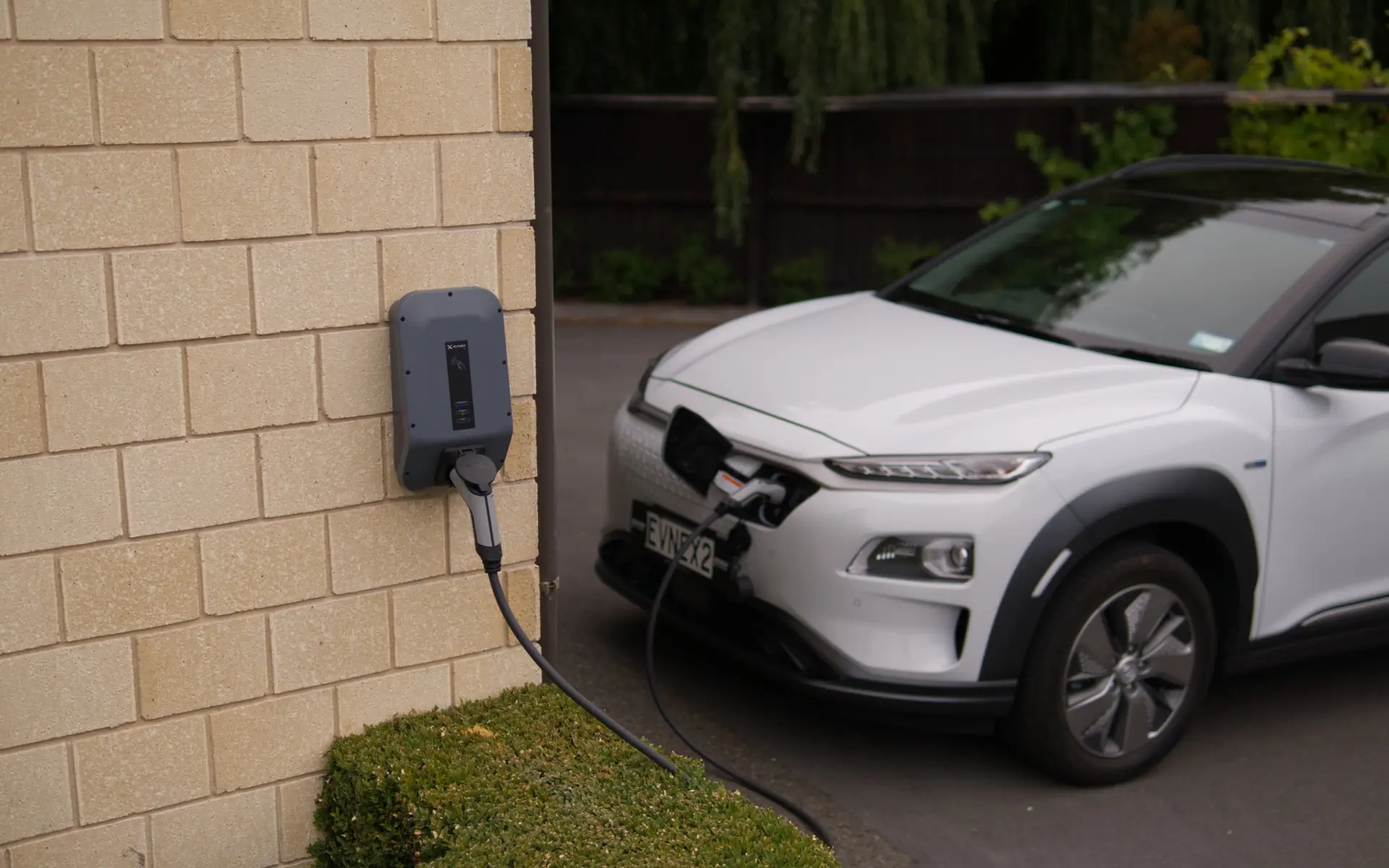
Most drivers are fine with a 5m cable. Measure from the charge point to your car's inlet, add a little slack, and size up for on-street or awkward parking. A quick pick for every situation, with the lengths to match.

How-to
How to Power Appliances From Your EV With V2L
To power appliances from your EV you need a V2L-capable car and a V2L adapter that turns the charge port into a mains socket, then plug in and stay under the car's limit. Confirm your car supports V2L before buying anything Typical output is up to around 3.6kW, so add up appliance wattage Great for camping, tools and keeping a fridge running in a power cut

Compatibility
What Is V2L (Vehicle-to-Load)? A Simple Guide
V2L lets a supported EV power external devices through an adapter that turns the charging port into a mains socket, typically up to around 3.6kW. Great for camping, tools, events and short power cuts Only works on V2L-capable cars, so check your model Not the same as V2G (sell to grid) or V2H (power the whole house)

Compatibility
Can You Charge an EV From a Normal Plug Socket?
Yes, you can charge an EV from a normal 3-pin socket with a portable granny charger, slowly at around 2.3kW and plugged straight into the wall. Adds roughly 8 to 10 miles of range per hour Needs a proper portable charger, not any ordinary cable Never use an extension lead, adapter or smart plug

Buying Guides
Does Charging an EV Raise Your Electricity Bill?
Yes, home charging raises your bill, but an off-peak EV tariff keeps the increase small and well below fuel costs. Standard rate roughly 25 to 28p/kWh, off-peak around 7 to 10p No separate meter or MPAN needed, a smart meter is enough Still cheaper per mile than petrol or diesel for most drivers

Buying Guides
How Much Does Public EV Charging Cost?
Public rapid EV charging usually costs around 45 to 80p per kWh, while slower public AC charging is cheaper. Rapid charging is far dearer than home charging at roughly 25 to 28p per kWh Rapid DC chargers are tethered, but AC points usually need your own Type 2 cable Save rapids for long trips and check current rates on each network

Buying Guides
Best EV Tariffs in the UK Explained (2026)
The best EV tariffs are smart off-peak plans like Octopus Intelligent Go and OVO Charge Anytime, often around 7 to 10p per kWh overnight. Off-peak rates cut costs versus a standard 25 to 28p per kWh tariff Most smart tariffs need a smart meter and a compatible car or charger Compare off-peak and day rates and check current prices

Buying Guides
When Is the Cheapest Time to Charge Your EV?
The cheapest time to charge your EV is overnight on an off-peak tariff, often around 7 to 10p per kWh. A 60kWh charge can cost around £4 to £5 overnight versus roughly £15 to £17 at standard rates Smart EV tariffs automate charging into the cheapest hours Use a timer on the car or charger and check current rates

Compatibility
Mode 2 vs Mode 3 EV Charging Explained
Mode 2 is slow 3-pin granny charging, while Mode 3 is faster charging from a wallbox or post with a Type 2 lead. Mode 2: around 2.3kW from a domestic socket with an in-cable control box Mode 3: up to 7.4kW single phase from a dedicated wallbox or post Use Mode 3 daily and keep Mode 2 as backup

Comparisons
16A vs 32A EV Charging Cables: What's the Difference?
A 16A cable carries around 3.7kW on single phase, a 32A cable up to 7.4kW, and 32A is the safe default. 16A: about 3.7kW single phase or 11kW three phase 32A: up to 7.4kW single phase or 22kW three phase 32A works on lower rated cars and never charges slower

Buying Guides
Can I Use Any EV Charging Cable With My Car?
A cable works only if the car-end connector, current rating and length all suit your car and parking. The car end must match your inlet: Type 2 for most cars, Type 1 for older ones A 32A cable is the safe, flexible default and works on lower rated setups Pick 5m, 7m or 10m to reach your charge point comfortably

Compatibility
What Is CCS Charging? Combined Charging System Explained
CCS is the mainstream rapid DC standard, using a Type 2 connector with two extra DC pins for one combined charging inlet. CCS rapid chargers are always tethered, so you never buy a CCS cable The combined inlet handles both home AC and rapid DC Most modern UK EVs use CCS for rapid charging

Buying Guides
Coiled vs Straight EV Charging Cables: Which to Buy?
Coiled and straight EV cables charge at the same speed, so choose based on storage space and handling rather than performance. Coiled cables save boot space but can feel stiffer and heavier Straight cables handle more easily but need tidy storage Both use the same Type 2 connectors and charge identically

Buying Guides
Are Granny Chargers Safe to Use?
Granny chargers are safe plugged directly into a sound wall socket on its own circuit, but not through an extension lead, adapter or smart plug. Always plug straight into a modern, undamaged wall socket Never use an extension lead, multi-way adapter or smart plug Stop if the plug or socket feels hot or smells of burning

Compatibility
What Is CHAdeMO Charging? The Older Rapid Standard
CHAdeMO is an older rapid DC charging standard, known from the older Nissan Leaf, now being phased out in favour of CCS. CHAdeMO chargers are tethered, so you never buy a CHAdeMO cable Mostly found on older EVs, with CCS now the mainstream standard Availability may reduce as networks focus on CCS

Buying Guides
Which EV Charging Cable Do I Need? The Complete UK Guide
Your car's inlet decides the connector (Type 2 for almost every EV sold in the UK since 2018) and your car's onboard charger decides the power (7.4kW suits most). Match those, then pick a length that reaches your car. Connector: Type 2 for post-2018 EVs, Type 1 for a few older cars Power: 7.4kW for single-phase homes and most cars, 22kW only for three-phase cars Length: 5m suits most driveways, 7m to 10m for awkward parking

Comparisons
7.4kW vs 22kW EV Charging Cables: Which Do You Need?
A cable only carries as much power as your car's onboard AC charger accepts. A 22kW cable will not make a single-phase car charge any faster. 7.4kW (32A single phase) suits most UK homes and most cars 22kW (32A three phase) only helps cars with a three-phase onboard charger Buy 22kW for genuine future-proofing, never because it sounds faster

Buying Guides
Best Portable EV Chargers (Granny Chargers) UK 2026
The best portable EV charger for most UK drivers is a recognised-brand 3-pin unit with the right cable length, led by the Cord Lite Type 2. Six picks for brand, value, app control, adjustable current and gentle draw Cable lengths from 5m to 10m to suit driveways or on-street parking Adds around 8 to 10 miles of range per hour, best as a backup
The team

