
NIO charging cables.
Get the exact charging cable for your NIO, matched to your model and ready to charge from day one. Free UK delivery, up to a 3-year warranty and 30-day returns. Pick your model below to see its recommended cable and real charge times.
The full range
All NIO models.
Pick your model for its recommended cable, charge times and the right length.
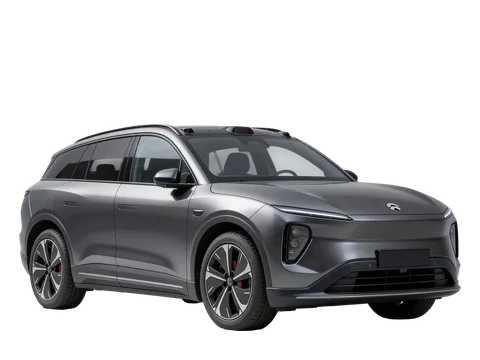
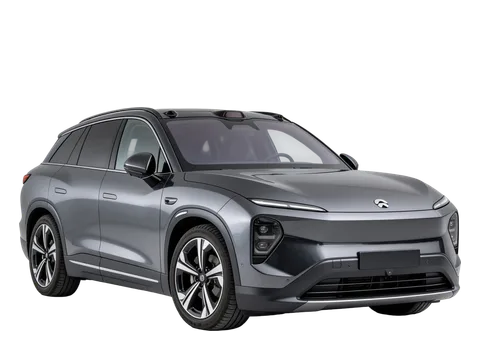
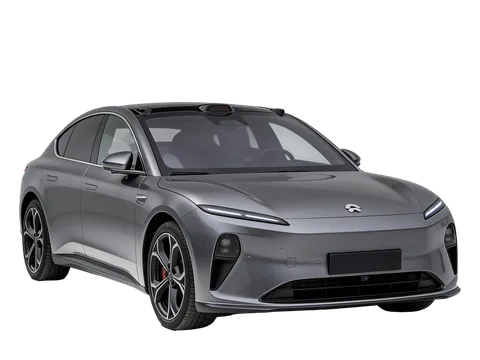
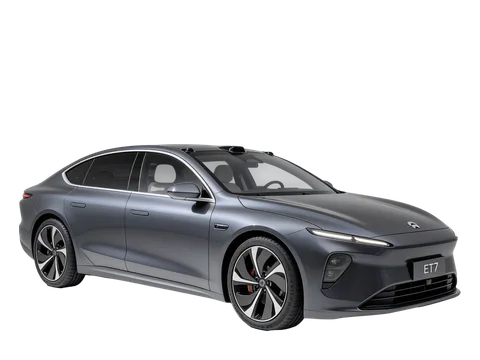
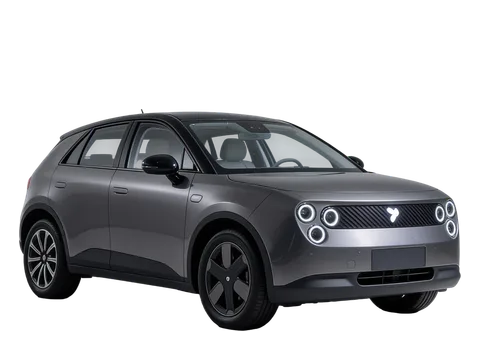
Charge speeds
Across the NIO range.
Every NIO here uses a Type 2 inlet, so one Type 2 to Type 2 cable fits the range. AC charging tops out at 11kW across the range. A cable never charges faster than your car's on-board charger or your home supply allows, so on a standard single-phase UK home a 7.4 kW cable gives the full speed available.
Speeds are on-board AC limits. Rapid DC uses the station's own cable.
| Model | Connector | Battery | Max AC | Cable to buy |
|---|---|---|---|---|
| EL6 | Type 2 | 90 kWh | 11 kW | Type 2 · 7.4 kW (22 kW on 3-phase) |
| EL7 | Type 2 | 90 kWh | 11 kW | Type 2 · 7.4 kW (22 kW on 3-phase) |
| ET5 | Type 2 | 90 kWh | 11 kW | Type 2 · 7.4 kW (22 kW on 3-phase) |
| ET7 | Type 2 | 90 kWh | 11 kW | Type 2 · 7.4 kW (22 kW on 3-phase) |
| Firefly | Type 2 | 41.2 kWh | 11 kW | Type 2 · 7.4 kW (22 kW on 3-phase) |
Charging guide
Charging
your NIO.
NIO's UK range is made up entirely of battery electric vehicles: the ET5, ET7, EL6, EL7, and the smaller Firefly. Every NIO uses a Type 2 inlet, so they all take the same Type 2 to Type 2 cable for home and public AC charging, and no NIO needs a Type 1 cable. The whole range is straightforward from a cable perspective.
Each NIO has an 11kW three-phase onboard charger, which means AC charging speed depends on the supply rather than the cable. Pick your model below to see exact charge times and the recommended cable, or read the guidance underneath.
What charging cable does a NIO need?
Every NIO in the UK uses a Type 2 inlet, so the cable you need is a Type 2 to Type 2. A 5m length suits most home driveways and public charge points; go for 7m or 10m if you park on the street, use a shared charger, or the wallbox sits well away from the car.
All NIO models, from the ET5 to the EL7, have an 11kW three-phase onboard charger. Most UK homes are single-phase, which caps home charging at 7.4kW no matter what cable you use. A 7.4kW cable already delivers the full speed a standard home supply can provide. A 22kW cable is only worth considering if you have a three-phase supply at home or regularly use 22kW public AC points, where NIO models will pull their full 11kW.
In practice, a single 5m 7.4kW Type 2 cable covers the entire NIO range for home charging. If you mainly use public rapid DC chargers for top-ups, the AC cable is mostly a home and slow-charge backup, and the 7.4kW option remains the right choice.
Do all NIO cars use a Type 2 charging cable?+−
Yes. Every NIO sold in the UK, including the ET5, ET7, EL6, EL7, and Firefly, uses a Type 2 inlet. They all take the same Type 2 to Type 2 cable for home and public AC charging, and no NIO needs a Type 1 cable.
What charging cable does a NIO ET5 or ET7 need?+−
A Type 2 to Type 2 cable, 5m for most home setups. Both the ET5 and ET7 have an 11kW three-phase onboard charger. On a standard single-phase home supply they charge at 7.4kW, so a 7.4kW cable gives the full home speed available. A 22kW cable only helps on a three-phase supply or a 22kW public AC point.
Can a NIO charge at 22kW on AC?+−
No NIO charges at 22kW on AC. Every model in the range, including the ET5, ET7, EL6, EL7, and Firefly, tops out at 11kW on a three-phase supply. On a standard single-phase home wallbox they all charge at 7.4kW.
What cable does the NIO Firefly need?+−
A Type 2 to Type 2 cable, the same as every other NIO. The Firefly has an 11kW three-phase onboard charger, though it too is limited to 7.4kW on a single-phase home supply. A 5m 7.4kW cable is the right choice for most Firefly owners.
What length cable do I need for my NIO?+−
5m is the right starting point for most home wallboxes and public charge points. Choose 7m or 10m if you park on the street, share a charger with another vehicle, or the charge point is set back from where you park. Buy the shortest length that reaches without stretching.