
Suzuki charging cables.
Get the exact charging cable for your Suzuki, matched to your model and ready to charge from day one. Free UK delivery, up to a 3-year warranty and 30-day returns. Pick your model below to see its recommended cable and real charge times.
The full range
All Suzuki models.
Pick your model for its recommended cable, charge times and the right length.
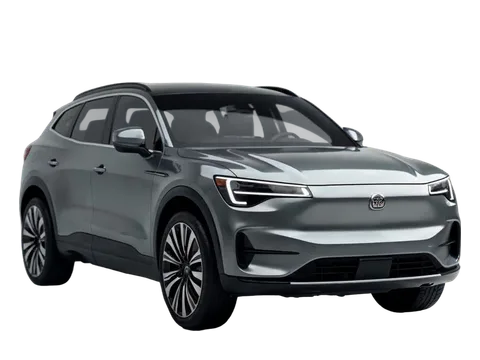
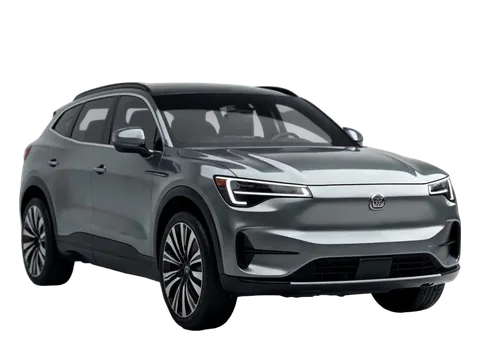
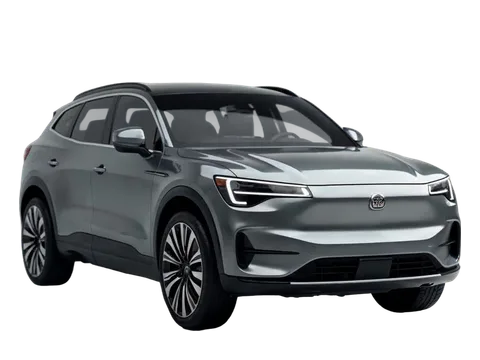
Charge speeds
Across the Suzuki range.
Every Suzuki here uses a Type 2 inlet, so one Type 2 to Type 2 cable fits the range. On-board AC charging ranges from about 6.6kW to 11kW depending on the model. A cable never charges faster than your car's on-board charger or your home supply allows, so on a standard single-phase UK home a 7.4 kW cable gives the full speed available.
Speeds are on-board AC limits. Rapid DC uses the station's own cable.
Charging guide
Charging
your Suzuki.
Suzuki's electrified line-up currently includes the e-Vitara battery electric SUV and the Across plug-in hybrid, with two e-Vitara variants in the range. All three models use a Type 2 inlet, so they all take a Type 2 to Type 2 cable for home and public AC charging. No Suzuki in the current range needs a Type 1 cable.
The AC charging speed differs between the models: the e-Vitara has an 11kW three-phase onboard charger, while the Across PHEV charges at 6.6kW on a single phase. That gap is relevant when deciding how much cable to buy. Pick your model below for the exact recommendation and charge times, or read the guidance underneath.
What charging cable does a Suzuki need?
Every Suzuki in the current range uses a Type 2 inlet, so the cable you need is a Type 2 to Type 2. A 5m length suits most home driveways and wallboxes; choose 7m or 10m if you park on the street or your charge point sits away from where you usually park.
Both e-Vitara variants have an 11kW three-phase onboard charger. Most UK homes are single-phase, which caps home charging at 7.4kW regardless of the cable. A 7.4kW cable already gives the full speed a standard home supply can deliver. A 22kW cable is only worth considering if you have a three-phase supply at home or regularly use 22kW public AC points.
The Across PHEV charges at 6.6kW on a single phase, which is within what a standard 7.4kW cable provides. Its smaller battery also makes it practical to top up with a granny charger overnight. In short, a single 5m 7.4kW Type 2 cable suits the entire Suzuki range.
Suzuki FAQs
Good
questions.
Still not sure? Our team will confirm the right cable for your Suzuki.
Contact usDo all Suzuki EVs and plug-in hybrids use a Type 2 charging cable?+−
Yes. The e-Vitara and the Across PHEV all use a Type 2 inlet, so they all take a Type 2 to Type 2 cable for home and public AC charging. No Suzuki currently in the UK range needs a Type 1 cable.
What charging cable does a Suzuki e-Vitara need?+−
A Type 2 to Type 2 cable, 5m for most home setups. The e-Vitara has an 11kW three-phase onboard charger, but on a standard single-phase home supply it charges at 7.4kW. A 7.4kW cable gives the full home speed; a 22kW cable only helps on a three-phase supply or a 22kW public AC point.
Can a Suzuki e-Vitara charge at 22kW on AC?+−
No. The e-Vitara tops out at 11kW on a three-phase supply. No Suzuki charges at 22kW on AC. On a standard single-phase home wallbox the e-Vitara charges at 7.4kW, so a 7.4kW cable is the right choice for home use.
What cable does the Suzuki Across PHEV need?+−
A Type 2 to Type 2 cable. The Across PHEV charges at 6.6kW on AC, so a standard 7.4kW cable is more than adequate. Its battery is also small enough that a 3-pin granny charger works as an overnight backup. No larger or more expensive cable is needed.
What length cable do I need for my Suzuki?+−
5m covers most home wallboxes and public charge points. Step up to 7m or 10m if you park on the street, use a shared charger, or the wallbox is positioned away from where you park. Buy the shortest length that reaches comfortably, as longer cables are heavier to handle.